



Limb Salvage vs Amputation
Thank you for your feedback!
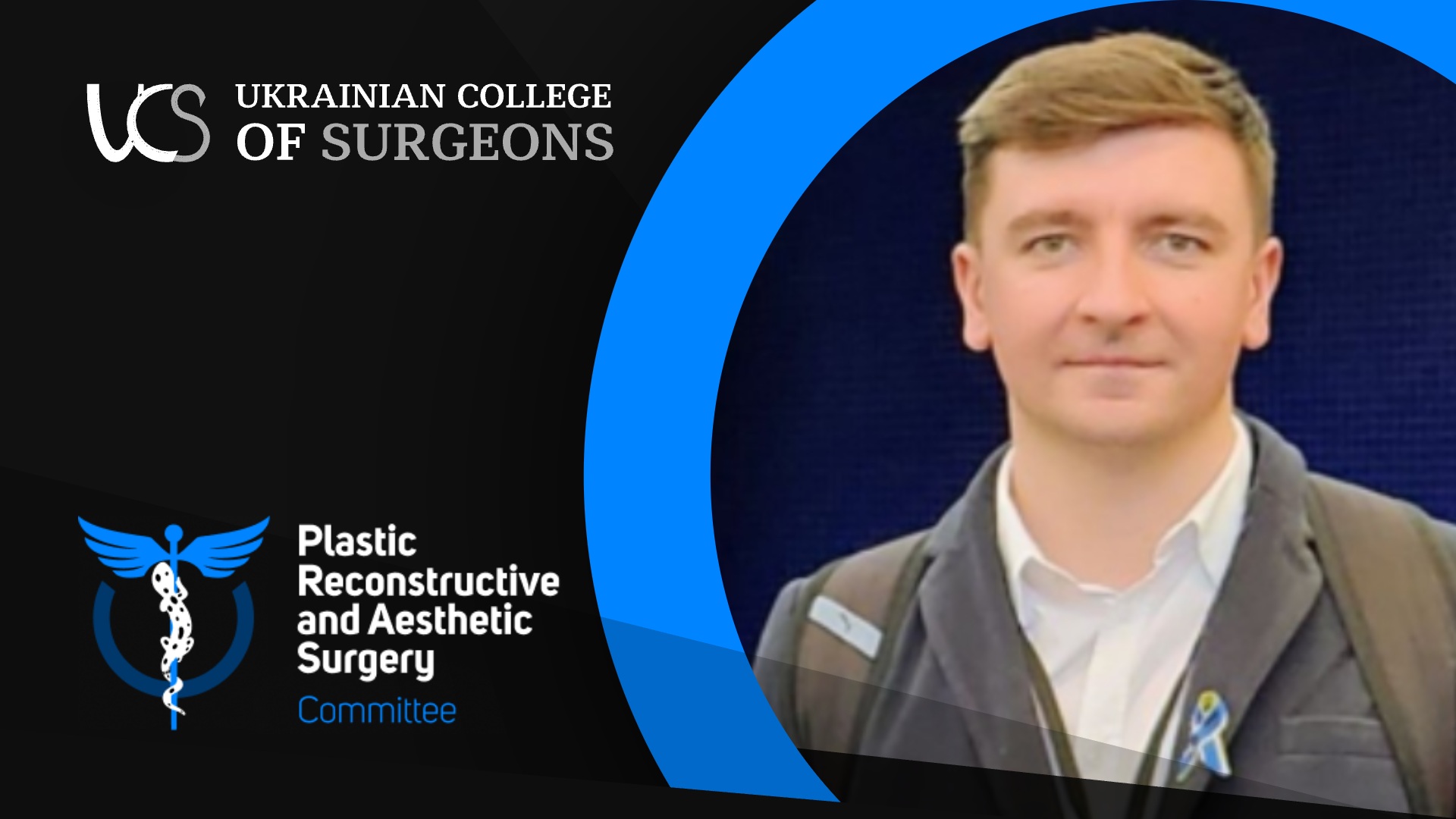
When a severely injured limb can technically be saved, should it always be saved? This lecture explores the difficult balance between limb salvage and amputation in high-energy and combat-related injuries.
Through challenging clinical cases, the discussion moves from damage-control surgery and early amputation to staged reconstruction, infection control, vascular reconstruction, soft-tissue coverage and management of segmental bone defects. Particular attention is given to factors that are often treated as decisive—such as absent plantar sensation—and to how modern evidence has changed the way these findings should influence decision-making.
The lecture also looks beyond the injury itself: patient motivation, rehabilitation potential, available expertise, multidisciplinary resources and the long-term consequences of both strategies. A detailed case followed through multiple reconstructive stages illustrates just how long the road to a functional limb can become—and why amputation should not automatically be viewed as treatment failure.
Through challenging clinical cases, the discussion moves from damage-control surgery and early amputation to staged reconstruction, infection control, vascular reconstruction, soft-tissue coverage and management of segmental bone defects. Particular attention is given to factors that are often treated as decisive—such as absent plantar sensation—and to how modern evidence has changed the way these findings should influence decision-making.
The lecture also looks beyond the injury itself: patient motivation, rehabilitation potential, available expertise, multidisciplinary resources and the long-term consequences of both strategies. A detailed case followed through multiple reconstructive stages illustrates just how long the road to a functional limb can become—and why amputation should not automatically be viewed as treatment failure.
EDU-LECTURES
Course
Educational Lectures
 01
1:29:40
Wide Awake Plastic Surgery: Principles, Indications, Limitations and Future DirectionsDr. Don Lalonde challenges traditional assumptions about anesthesia and operating-room sterility, showing how WALANT can make a wide range of procedures simpler, safer, and more accessible.
01
1:29:40
Wide Awake Plastic Surgery: Principles, Indications, Limitations and Future DirectionsDr. Don Lalonde challenges traditional assumptions about anesthesia and operating-room sterility, showing how WALANT can make a wide range of procedures simpler, safer, and more accessible.
 02
1:15:25
Primary Reconstruction of Open Hand Injuries in Children: Principles and TacticsA practical lecture on primary reconstruction of pediatric hand injuries, with a focus on local and regional flaps, preservation of finger length and function, and strategies to reduce contracture risk.
02
1:15:25
Primary Reconstruction of Open Hand Injuries in Children: Principles and TacticsA practical lecture on primary reconstruction of pediatric hand injuries, with a focus on local and regional flaps, preservation of finger length and function, and strategies to reduce contracture risk.
 03
46:23
“When a Scalpel Is Not Enough: The Role of Lasers in Modern Plastic Surgery” Can lasers change the outcome when repeat surgery is no longer the best option?How laser therapy can be used to modify scar texture, pigmentation and vascular components, and why treatment should begin with identifying the right tissue target rather than choosing a laser first.
03
46:23
“When a Scalpel Is Not Enough: The Role of Lasers in Modern Plastic Surgery” Can lasers change the outcome when repeat surgery is no longer the best option?How laser therapy can be used to modify scar texture, pigmentation and vascular components, and why treatment should begin with identifying the right tissue target rather than choosing a laser first.
 04
38:37
Back to basic or what we Didn`t know about Radiation Fibrosis?A back-to-basics look at radiation fibrosis: from inflammation and TGF-β signaling to fibroblast activation, extracellular matrix accumulation, hypoxia, and impaired matrix turnover. The lecture also explores how changes in radiotherapy fractionation may influence late tissue damage.
04
38:37
Back to basic or what we Didn`t know about Radiation Fibrosis?A back-to-basics look at radiation fibrosis: from inflammation and TGF-β signaling to fibroblast activation, extracellular matrix accumulation, hypoxia, and impaired matrix turnover. The lecture also explores how changes in radiotherapy fractionation may influence late tissue damage.
 05
1:03:36
Post-Traumatic Lymphedema - Comprehensive Approach and Microsurgical TreatmentHow reconstructive surgery can restore not only soft tissue, but also lymphatic flow after limb trauma.
05
1:03:36
Post-Traumatic Lymphedema - Comprehensive Approach and Microsurgical TreatmentHow reconstructive surgery can restore not only soft tissue, but also lymphatic flow after limb trauma.
 06
1:09:12 Now playing
Limb Salvage vs AmputationA practical discussion of one of the hardest decisions in severe limb trauma: when reconstruction offers a realistic path to function, and when amputation becomes the better strategic choice.
06
1:09:12 Now playing
Limb Salvage vs AmputationA practical discussion of one of the hardest decisions in severe limb trauma: when reconstruction offers a realistic path to function, and when amputation becomes the better strategic choice.
 07
1:38:09
Amputation or Limb Salvage in Combat Trauma: Surgical Decision-MakingA case-driven lecture on one of the hardest decisions in combat trauma: when reconstruction still serves the patient — and when amputation may offer the better functional path.
07
1:38:09
Amputation or Limb Salvage in Combat Trauma: Surgical Decision-MakingA case-driven lecture on one of the hardest decisions in combat trauma: when reconstruction still serves the patient — and when amputation may offer the better functional path.
 08
39:23
Bony Reconstruction for Sarcoma and OsteosarcomaA case-based lecture on vascularized fibula and iliac bone reconstruction after oncologic resection, with practical guidance on flap selection, fixation, monitoring and multidisciplinary planning.
08
39:23
Bony Reconstruction for Sarcoma and OsteosarcomaA case-based lecture on vascularized fibula and iliac bone reconstruction after oncologic resection, with practical guidance on flap selection, fixation, monitoring and multidisciplinary planning.
 09
40:21
Reconstruction of Large Bone Defects: From Debridement to Masquelet and Bone TransportLlewellyn Thomas explores a practical orthoplastic approach to complex bone defects after trauma, infection and oncologic resection—from radical debridement and limb-salvage decisions to bone transport, the Masquelet technique and alternative reconstructive options.
09
40:21
Reconstruction of Large Bone Defects: From Debridement to Masquelet and Bone TransportLlewellyn Thomas explores a practical orthoplastic approach to complex bone defects after trauma, infection and oncologic resection—from radical debridement and limb-salvage decisions to bone transport, the Masquelet technique and alternative reconstructive options.
 Limb Salvage vs Amputation