




Debridement and Management of Open Fractures in Combat Trauma
Thank you for your feedback!
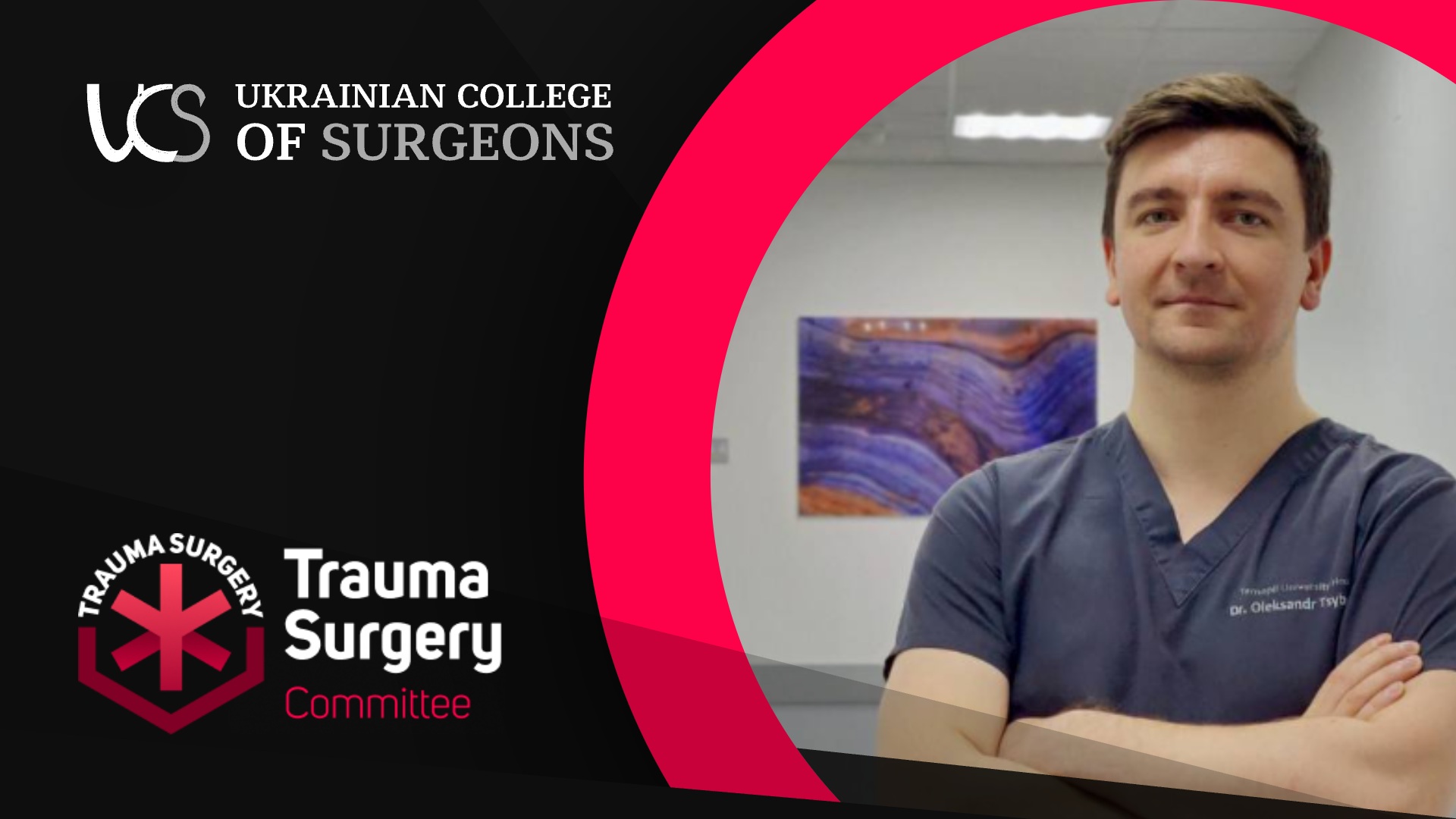
Open fractures after high-energy and combat trauma demand far more than simply treating a broken bone. This lecture approaches them as complex injuries involving bone, soft tissues, contamination, infection risk, and the future function of the limb.
Drawing on extensive wartime clinical experience at Ternopil Regional Hospital, the speaker reviews the classification and treatment goals of open fractures before moving to the central topic: how to perform a systematic, high-quality wound debridement. The discussion follows the wound layer by layer—from skin and subcutaneous tissue to fascia, muscle, tendons, and bone—with practical criteria for deciding what can remain and what must be removed.
Particular attention is given to muscle viability, free bone fragments, clinically significant foreign bodies, irrigation, compartment syndrome, repeat debridement, external fixation, VAC therapy, local antibiotic delivery, and the timing of definitive soft-tissue coverage. The lecture also explains the “big five” steps used to organize treatment toward three linked goals: preventing infection, achieving fracture union, and restoring useful limb function.
The principles are illustrated through challenging real cases of blast injuries, contaminated wounds, bone and soft-tissue defects, exposed neurovascular structures, and limb reconstruction. The case discussions show why apparently small wounds may conceal extensive damage—and why the quality of the first debridement can shape everything that follows.
The closing Q&A adds practical discussion on civilian versus combat open fractures, antibiotic-loaded cement spacers, preservation versus amputation in severe foot injuries, protection of neurovascular structures during debridement, and early orthoplastic reconstruction.
Drawing on extensive wartime clinical experience at Ternopil Regional Hospital, the speaker reviews the classification and treatment goals of open fractures before moving to the central topic: how to perform a systematic, high-quality wound debridement. The discussion follows the wound layer by layer—from skin and subcutaneous tissue to fascia, muscle, tendons, and bone—with practical criteria for deciding what can remain and what must be removed.
Particular attention is given to muscle viability, free bone fragments, clinically significant foreign bodies, irrigation, compartment syndrome, repeat debridement, external fixation, VAC therapy, local antibiotic delivery, and the timing of definitive soft-tissue coverage. The lecture also explains the “big five” steps used to organize treatment toward three linked goals: preventing infection, achieving fracture union, and restoring useful limb function.
The principles are illustrated through challenging real cases of blast injuries, contaminated wounds, bone and soft-tissue defects, exposed neurovascular structures, and limb reconstruction. The case discussions show why apparently small wounds may conceal extensive damage—and why the quality of the first debridement can shape everything that follows.
The closing Q&A adds practical discussion on civilian versus combat open fractures, antibiotic-loaded cement spacers, preservation versus amputation in severe foot injuries, protection of neurovascular structures during debridement, and early orthoplastic reconstruction.
EDU-LECTURES
Course
Educational Lectures
 01
1:02:13
Novel Topical Anaesthesia for rapid wound numbing and prolonged analgesia for open woundsA practical discussion of a topical anaesthetic designed to rapidly numb open wounds while providing prolonged analgesia and antimicrobial activity, with potential applications in trauma and military medicine.
01
1:02:13
Novel Topical Anaesthesia for rapid wound numbing and prolonged analgesia for open woundsA practical discussion of a topical anaesthetic designed to rapidly numb open wounds while providing prolonged analgesia and antimicrobial activity, with potential applications in trauma and military medicine.
 02
1:47:48
Role 1 and Role 2: Scope, Requirements, Challenges and OpportunitiesFrontline experience of organizing Role 1 and Role 2 trauma care when evacuation takes hours, resources are limited, and patient flow can change within minutes. The speakers examine triage, hemorrhage control, blood transfusion, surgical limits, mass-casualty workflows, evacuation, and the decisions that determine whether an intervention helps or only delays definitive care.
02
1:47:48
Role 1 and Role 2: Scope, Requirements, Challenges and OpportunitiesFrontline experience of organizing Role 1 and Role 2 trauma care when evacuation takes hours, resources are limited, and patient flow can change within minutes. The speakers examine triage, hemorrhage control, blood transfusion, surgical limits, mass-casualty workflows, evacuation, and the decisions that determine whether an intervention helps or only delays definitive care.
 03
1:06:11 Now playing
Debridement and Management of Open Fractures in Combat TraumaA practical lecture on open fractures and combat wounds, centered on meticulous debridement, infection prevention, temporary stabilization, soft-tissue coverage, and real clinical cases.
03
1:06:11 Now playing
Debridement and Management of Open Fractures in Combat TraumaA practical lecture on open fractures and combat wounds, centered on meticulous debridement, infection prevention, temporary stabilization, soft-tissue coverage, and real clinical cases.
 Debridement and Management of Open Fractures in Combat Trauma