




Role 1 and Role 2: Scope, Requirements, Challenges and Opportunities
Thank you for your feedback!
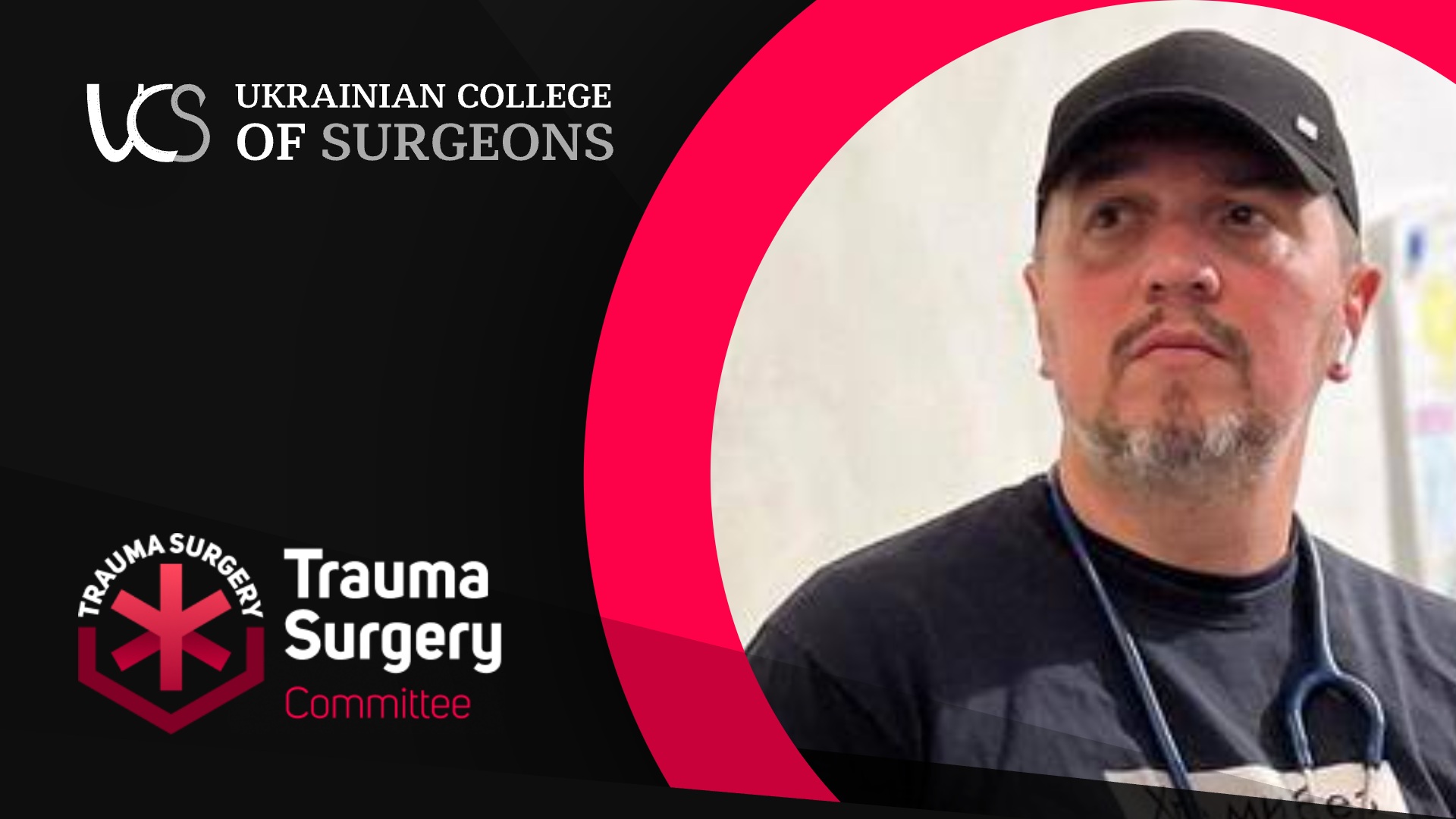
What should a Role 1 or Role 2 actually do when the classic concept of rapid evacuation no longer matches battlefield reality? Drawing on years of frontline experience, the speakers discuss how evacuation times, geography, enemy threats, staffing and available resources should shape the medical system rather than the other way around.
The session moves from the fundamentals of triage and hemorrhagic-shock management to practical decisions around blood transfusion, FAST, chest drainage, wound management, vascular control, regional anesthesia and advanced resuscitative procedures. A recurring theme is restraint: the technically possible intervention is not always the intervention that belongs at a forward stage of care.
The second part opens the doors to a working modular Role 2 system, including red and yellow zones, operating modules, diagnostics, blood storage, patient numbering, transport flow and approaches to mass-casualty admissions. The discussion also addresses underground facilities, personnel protection, evacuation logistics, team stability, training and the mental health of medical staff.
The Q&A adds unusually practical lessons on young surgeons entering military medicine, sterilization in field conditions, matching specialist skills to the actual role of care, communication between evacuation stages and learning from adverse or imperfect cases. It is a detailed look at how frontline trauma care becomes a system—not simply a collection of procedures.
The session moves from the fundamentals of triage and hemorrhagic-shock management to practical decisions around blood transfusion, FAST, chest drainage, wound management, vascular control, regional anesthesia and advanced resuscitative procedures. A recurring theme is restraint: the technically possible intervention is not always the intervention that belongs at a forward stage of care.
The second part opens the doors to a working modular Role 2 system, including red and yellow zones, operating modules, diagnostics, blood storage, patient numbering, transport flow and approaches to mass-casualty admissions. The discussion also addresses underground facilities, personnel protection, evacuation logistics, team stability, training and the mental health of medical staff.
The Q&A adds unusually practical lessons on young surgeons entering military medicine, sterilization in field conditions, matching specialist skills to the actual role of care, communication between evacuation stages and learning from adverse or imperfect cases. It is a detailed look at how frontline trauma care becomes a system—not simply a collection of procedures.
EDU-LECTURES
Course
Educational Lectures
 01
1:02:13
Novel Topical Anaesthesia for rapid wound numbing and prolonged analgesia for open woundsA practical discussion of a topical anaesthetic designed to rapidly numb open wounds while providing prolonged analgesia and antimicrobial activity, with potential applications in trauma and military medicine.
01
1:02:13
Novel Topical Anaesthesia for rapid wound numbing and prolonged analgesia for open woundsA practical discussion of a topical anaesthetic designed to rapidly numb open wounds while providing prolonged analgesia and antimicrobial activity, with potential applications in trauma and military medicine.
 02
1:47:48 Now playing
Role 1 and Role 2: Scope, Requirements, Challenges and OpportunitiesFrontline experience of organizing Role 1 and Role 2 trauma care when evacuation takes hours, resources are limited, and patient flow can change within minutes. The speakers examine triage, hemorrhage control, blood transfusion, surgical limits, mass-casualty workflows, evacuation, and the decisions that determine whether an intervention helps or only delays definitive care.
02
1:47:48 Now playing
Role 1 and Role 2: Scope, Requirements, Challenges and OpportunitiesFrontline experience of organizing Role 1 and Role 2 trauma care when evacuation takes hours, resources are limited, and patient flow can change within minutes. The speakers examine triage, hemorrhage control, blood transfusion, surgical limits, mass-casualty workflows, evacuation, and the decisions that determine whether an intervention helps or only delays definitive care.
 03
1:06:11
Debridement and Management of Open Fractures in Combat TraumaA practical lecture on open fractures and combat wounds, centered on meticulous debridement, infection prevention, temporary stabilization, soft-tissue coverage, and real clinical cases.
03
1:06:11
Debridement and Management of Open Fractures in Combat TraumaA practical lecture on open fractures and combat wounds, centered on meticulous debridement, infection prevention, temporary stabilization, soft-tissue coverage, and real clinical cases.
 Role 1 and Role 2: Scope, Requirements, Challenges and Opportunities