



Trauma-Induced Coagulopathy: Pathophysiology and Treatment Principles
Thank you for your feedback!
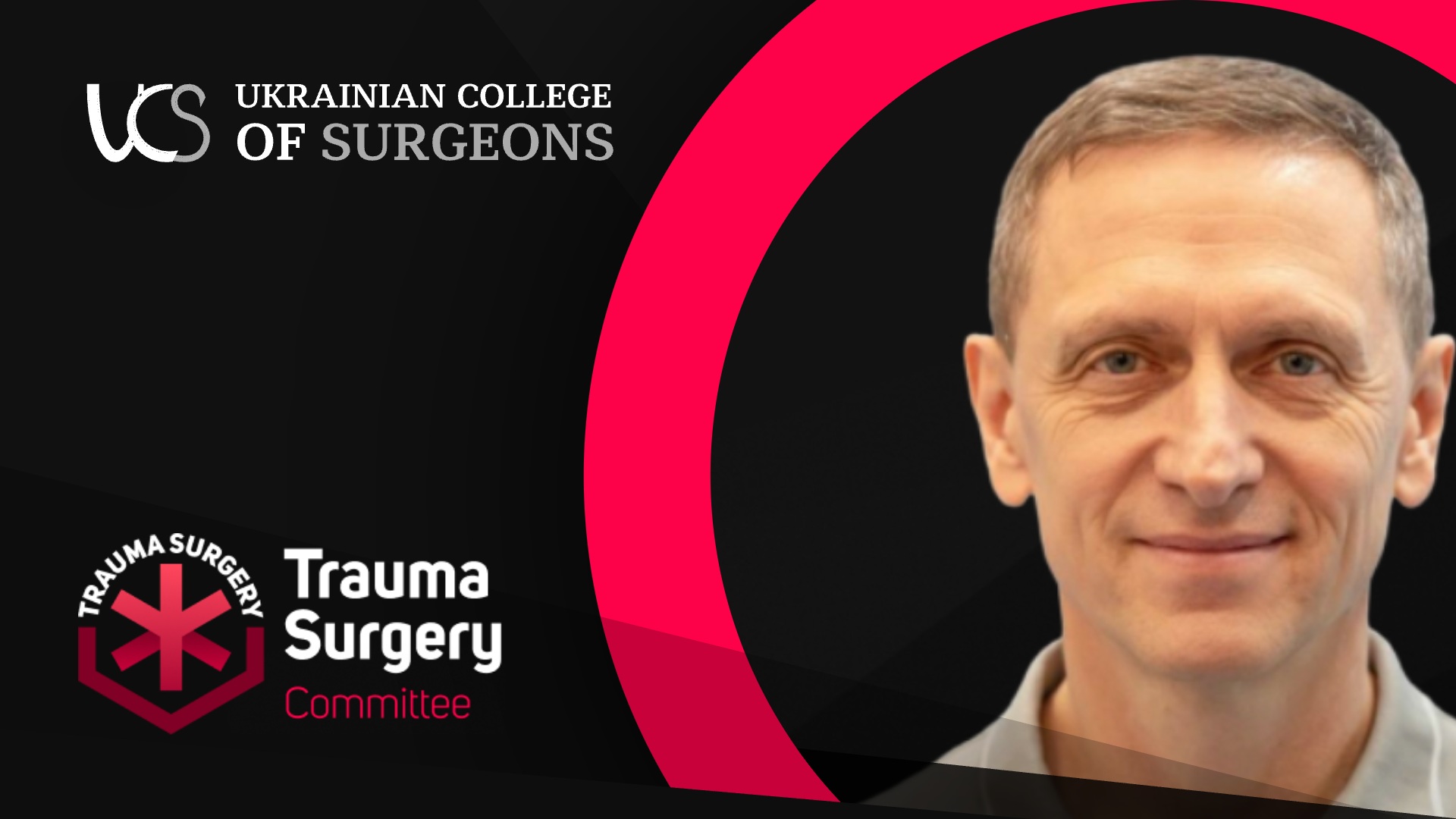
Trauma-induced coagulopathy is not a static laboratory abnormality. It evolves minute by minute alongside hemorrhagic shock, hypothermia, acidosis, dilution and endothelial injury. Professor Denys Surkov connects the coagulation cascade with bedside decisions and explains why a temporarily controlled bleed is not necessarily a solved bleed.
The webinar reframes the timing of Damage Control Resuscitation and Damage Control Surgery, including why the traditional “golden hour” may already be too generous. It examines the limitations of conventional coagulation tests and shows how viscoelastic testing such as ROTEM can help identify problems with fibrinolysis, fibrinogen, platelets and coagulation factors.
The session also compares crystalloids, blood components and whole blood in prehospital and early hospital care, with practical attention to civilian and military trauma logistics in Ukraine. The Q&A moves into calcium replacement during massive hemorrhage, low-titer universal donor blood, transfusion complications, fibrinogen correction and the transition from group O to type-specific blood.
A dense, practice-oriented discussion for learners who want to understand why trauma protocols work, rather than simply memorize another algorithm.
The webinar reframes the timing of Damage Control Resuscitation and Damage Control Surgery, including why the traditional “golden hour” may already be too generous. It examines the limitations of conventional coagulation tests and shows how viscoelastic testing such as ROTEM can help identify problems with fibrinolysis, fibrinogen, platelets and coagulation factors.
The session also compares crystalloids, blood components and whole blood in prehospital and early hospital care, with practical attention to civilian and military trauma logistics in Ukraine. The Q&A moves into calcium replacement during massive hemorrhage, low-titer universal donor blood, transfusion complications, fibrinogen correction and the transition from group O to type-specific blood.
A dense, practice-oriented discussion for learners who want to understand why trauma protocols work, rather than simply memorize another algorithm.
TRAUMA-01
Course
Hemorrhagic Shock, Damage Control Resuscitation, and Damage Control Surgery
 01
1:08:23
Battlefield Hypothermia & Damage Control Resuscitation: Target Blood Heating TemperaturesAn evidence-based presentation on managing hypothermia in combat trauma, featuring experimental data on blood warming up to 42°C and team workflows in the resuscitation bay.
01
1:08:23
Battlefield Hypothermia & Damage Control Resuscitation: Target Blood Heating TemperaturesAn evidence-based presentation on managing hypothermia in combat trauma, featuring experimental data on blood warming up to 42°C and team workflows in the resuscitation bay.
 02
59:16
Damage Control Resuscitation Without a KnifeA physiology-first approach to damage control resuscitation in war trauma, focused on what can keep a bleeding casualty alive when evacuation, blood products, equipment, and time are severely limited.
02
59:16
Damage Control Resuscitation Without a KnifeA physiology-first approach to damage control resuscitation in war trauma, focused on what can keep a bleeding casualty alive when evacuation, blood products, equipment, and time are severely limited.
 03
57:29
Damage Control Resuscitation in Combat Trauma: Role 1 and Role 2A practical lecture on damage control resuscitation at Role 1 and Role 2—from lethal-triad physiology to blood-product strategy under battlefield constraints.
03
57:29
Damage Control Resuscitation in Combat Trauma: Role 1 and Role 2A practical lecture on damage control resuscitation at Role 1 and Role 2—from lethal-triad physiology to blood-product strategy under battlefield constraints.
 04
1:06:32 Now playing
Trauma-Induced Coagulopathy: Pathophysiology and Treatment PrinciplesA clinically grounded webinar on trauma-induced coagulopathy: why bleeding control must be definitive, when standard coagulation tests fall short, and how DCR, DCS, ROTEM and blood-based resuscitation fit into the first critical hour.
04
1:06:32 Now playing
Trauma-Induced Coagulopathy: Pathophysiology and Treatment PrinciplesA clinically grounded webinar on trauma-induced coagulopathy: why bleeding control must be definitive, when standard coagulation tests fall short, and how DCR, DCS, ROTEM and blood-based resuscitation fit into the first critical hour.
 05
1:00:49
POCUS Beyond eFAST: Clinical Decisions in Shock and TraumaThree trauma cases show how bedside ultrasound can clarify shock physiology, assess limb perfusion, reveal gastrointestinal complications, and guide high-stakes decisions beyond the standard eFAST protocol.
05
1:00:49
POCUS Beyond eFAST: Clinical Decisions in Shock and TraumaThree trauma cases show how bedside ultrasound can clarify shock physiology, assess limb perfusion, reveal gastrointestinal complications, and guide high-stakes decisions beyond the standard eFAST protocol.
 06
2:04:18
Hostile Environment Surgery: Damage Control for Combat TraumaA practical front-line lecture on damage control surgery in a hostile environment, built from early war experience near Orikhiv and focused on decisions that save life and preserve function when time, staff, light, water, and equipment are limited.
06
2:04:18
Hostile Environment Surgery: Damage Control for Combat TraumaA practical front-line lecture on damage control surgery in a hostile environment, built from early war experience near Orikhiv and focused on decisions that save life and preserve function when time, staff, light, water, and equipment are limited.
 Trauma-Induced Coagulopathy: Pathophysiology and Treatment Principles