



Damage Control Resuscitation Without a Knife
Thank you for your feedback!
What does damage control resuscitation look like when the operating theatre is far away — or when there may be no opportunity to use a scalpel at all?
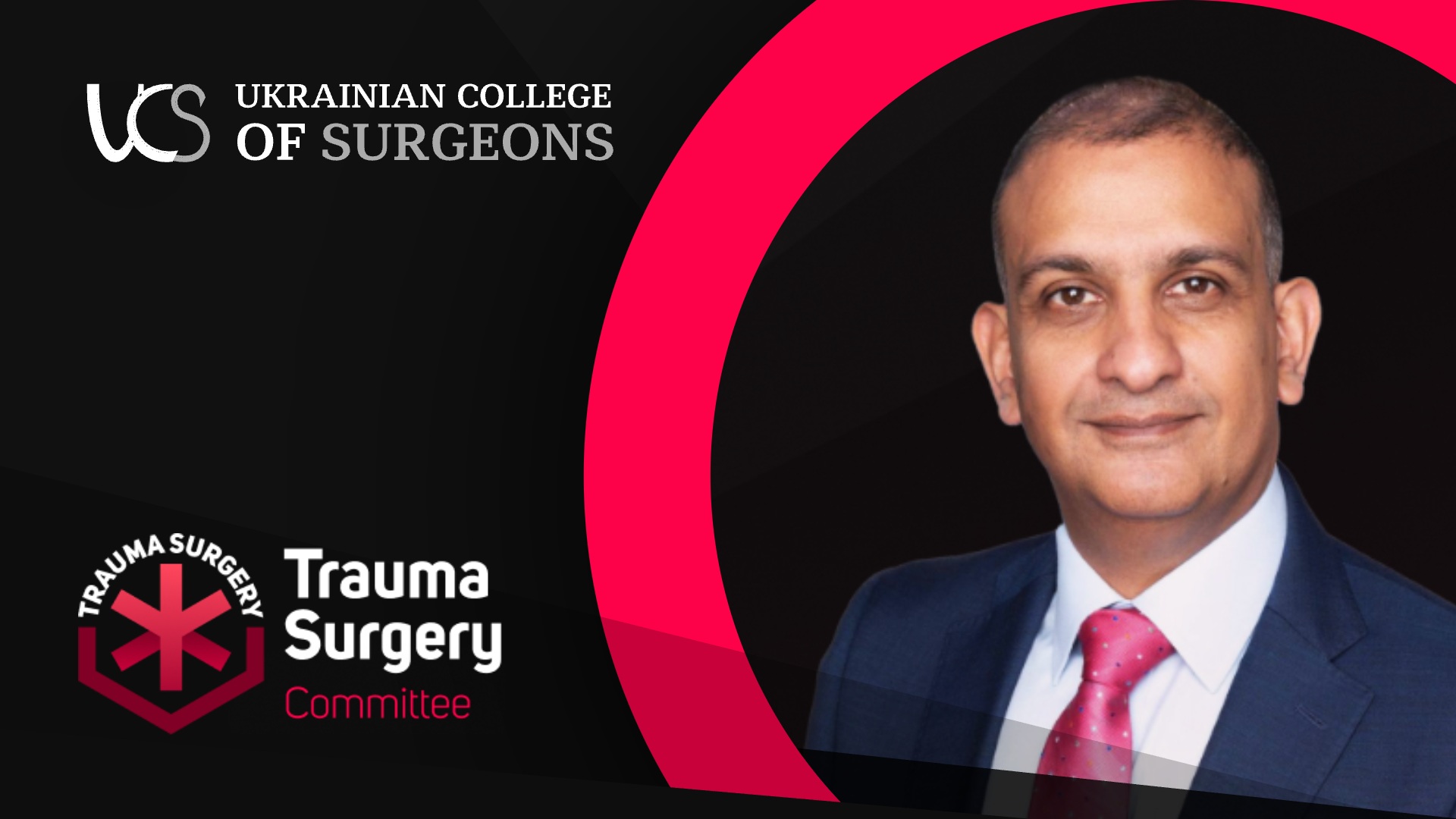
This lecture reframes trauma care around one priority: restoring physiology. Mansour Khan discusses catastrophic hemorrhage control, hypothermia, coagulopathy, acidosis, hyperkalemia and hypocalcemia, while challenging familiar assumptions about permissive hypotension, massive transfusion and the role of red cells at the front line.
The discussion moves from tourniquets, wound packing, TXA, calcium and whole blood to prolonged field care, evacuation through modern kill zones and the difficult choices created by limited blood, personnel and transport. A recurring theme is pragmatic decision-making: life over limb, resources over ideal protocols, and knowing when clinical judgment matters more than another laboratory value.
The Q&A brings the Ukrainian experience directly into the conversation — including exceptionally prolonged tourniquet times, training non-medical personnel for extended casualty care, reperfusion injury and the realities of evacuation under drone warfare.
The closing framework is simple: pragmatism, physiology and precision.
This lecture reframes trauma care around one priority: restoring physiology. Mansour Khan discusses catastrophic hemorrhage control, hypothermia, coagulopathy, acidosis, hyperkalemia and hypocalcemia, while challenging familiar assumptions about permissive hypotension, massive transfusion and the role of red cells at the front line.
The discussion moves from tourniquets, wound packing, TXA, calcium and whole blood to prolonged field care, evacuation through modern kill zones and the difficult choices created by limited blood, personnel and transport. A recurring theme is pragmatic decision-making: life over limb, resources over ideal protocols, and knowing when clinical judgment matters more than another laboratory value.
The Q&A brings the Ukrainian experience directly into the conversation — including exceptionally prolonged tourniquet times, training non-medical personnel for extended casualty care, reperfusion injury and the realities of evacuation under drone warfare.
The closing framework is simple: pragmatism, physiology and precision.
TRAUMA-01
Course
Hemorrhagic Shock, Damage Control Resuscitation, and Damage Control Surgery
 01
1:08:23
Battlefield Hypothermia & Damage Control Resuscitation: Target Blood Heating TemperaturesAn evidence-based presentation on managing hypothermia in combat trauma, featuring experimental data on blood warming up to 42°C and team workflows in the resuscitation bay.
01
1:08:23
Battlefield Hypothermia & Damage Control Resuscitation: Target Blood Heating TemperaturesAn evidence-based presentation on managing hypothermia in combat trauma, featuring experimental data on blood warming up to 42°C and team workflows in the resuscitation bay.
 02
59:16 Now playing
Damage Control Resuscitation Without a KnifeA physiology-first approach to damage control resuscitation in war trauma, focused on what can keep a bleeding casualty alive when evacuation, blood products, equipment, and time are severely limited.
02
59:16 Now playing
Damage Control Resuscitation Without a KnifeA physiology-first approach to damage control resuscitation in war trauma, focused on what can keep a bleeding casualty alive when evacuation, blood products, equipment, and time are severely limited.
 03
57:29
Damage Control Resuscitation in Combat Trauma: Role 1 and Role 2A practical lecture on damage control resuscitation at Role 1 and Role 2—from lethal-triad physiology to blood-product strategy under battlefield constraints.
03
57:29
Damage Control Resuscitation in Combat Trauma: Role 1 and Role 2A practical lecture on damage control resuscitation at Role 1 and Role 2—from lethal-triad physiology to blood-product strategy under battlefield constraints.
 04
1:06:32
Trauma-Induced Coagulopathy: Pathophysiology and Treatment PrinciplesA clinically grounded webinar on trauma-induced coagulopathy: why bleeding control must be definitive, when standard coagulation tests fall short, and how DCR, DCS, ROTEM and blood-based resuscitation fit into the first critical hour.
04
1:06:32
Trauma-Induced Coagulopathy: Pathophysiology and Treatment PrinciplesA clinically grounded webinar on trauma-induced coagulopathy: why bleeding control must be definitive, when standard coagulation tests fall short, and how DCR, DCS, ROTEM and blood-based resuscitation fit into the first critical hour.
 05
1:00:49
POCUS Beyond eFAST: Clinical Decisions in Shock and TraumaThree trauma cases show how bedside ultrasound can clarify shock physiology, assess limb perfusion, reveal gastrointestinal complications, and guide high-stakes decisions beyond the standard eFAST protocol.
05
1:00:49
POCUS Beyond eFAST: Clinical Decisions in Shock and TraumaThree trauma cases show how bedside ultrasound can clarify shock physiology, assess limb perfusion, reveal gastrointestinal complications, and guide high-stakes decisions beyond the standard eFAST protocol.
 06
2:04:18
Hostile Environment Surgery: Damage Control for Combat TraumaA practical front-line lecture on damage control surgery in a hostile environment, built from early war experience near Orikhiv and focused on decisions that save life and preserve function when time, staff, light, water, and equipment are limited.
06
2:04:18
Hostile Environment Surgery: Damage Control for Combat TraumaA practical front-line lecture on damage control surgery in a hostile environment, built from early war experience near Orikhiv and focused on decisions that save life and preserve function when time, staff, light, water, and equipment are limited.
 Damage Control Resuscitation Without a Knife