




Trauma in Pregnancy: Resuscitation, Monitoring, and Operative Decisions
Thank you for your feedback!
Trauma in pregnancy means treating two patients while keeping one priority clear: effective resuscitation of the mother is usually the best treatment for the fetus.
Professor Demetrios Demetriades walks through the anatomical and physiological changes that make these cases deceptively difficult. Increased circulating blood volume can delay hypotension despite substantial hemorrhage, reduced respiratory reserve can accelerate decompensation, and pregnancy alters both abdominal examination and injury patterns.
The lecture moves from prehospital positioning and oxygenation to emergency department assessment, fetal monitoring, imaging decisions, Rh status, placental abruption, and the indications for urgent cesarean delivery. Particular attention is given to viable pregnancy, persistent fetal distress, maternal cardiac arrest, and the practical realities of performing a cesarean section during trauma resuscitation.
Real cases from a major Los Angeles trauma center bring these principles into focus, including penetrating uterine trauma and an unusual long-term consequence of fetal gunshot injury. The discussion then expands into practical trauma controversies: non-operative management of gunshot wounds, the limited role of minimally invasive techniques, REBOA, massive hemorrhage, chest tube positioning, tranexamic acid, and damage-control bowel surgery.
A lecture built around decisions that can look straightforward on paper but become very different when maternal physiology, fetal viability, hemorrhage, and time pressure collide.
Professor Demetrios Demetriades walks through the anatomical and physiological changes that make these cases deceptively difficult. Increased circulating blood volume can delay hypotension despite substantial hemorrhage, reduced respiratory reserve can accelerate decompensation, and pregnancy alters both abdominal examination and injury patterns.
The lecture moves from prehospital positioning and oxygenation to emergency department assessment, fetal monitoring, imaging decisions, Rh status, placental abruption, and the indications for urgent cesarean delivery. Particular attention is given to viable pregnancy, persistent fetal distress, maternal cardiac arrest, and the practical realities of performing a cesarean section during trauma resuscitation.
Real cases from a major Los Angeles trauma center bring these principles into focus, including penetrating uterine trauma and an unusual long-term consequence of fetal gunshot injury. The discussion then expands into practical trauma controversies: non-operative management of gunshot wounds, the limited role of minimally invasive techniques, REBOA, massive hemorrhage, chest tube positioning, tranexamic acid, and damage-control bowel surgery.
A lecture built around decisions that can look straightforward on paper but become very different when maternal physiology, fetal viability, hemorrhage, and time pressure collide.
TRAUMA-06
Course
Trauma in Pregnancy: Resuscitation, Monitoring, and Operative Decision-Making
 01
1:01:03 Now playing
01
1:01:03 Now playing 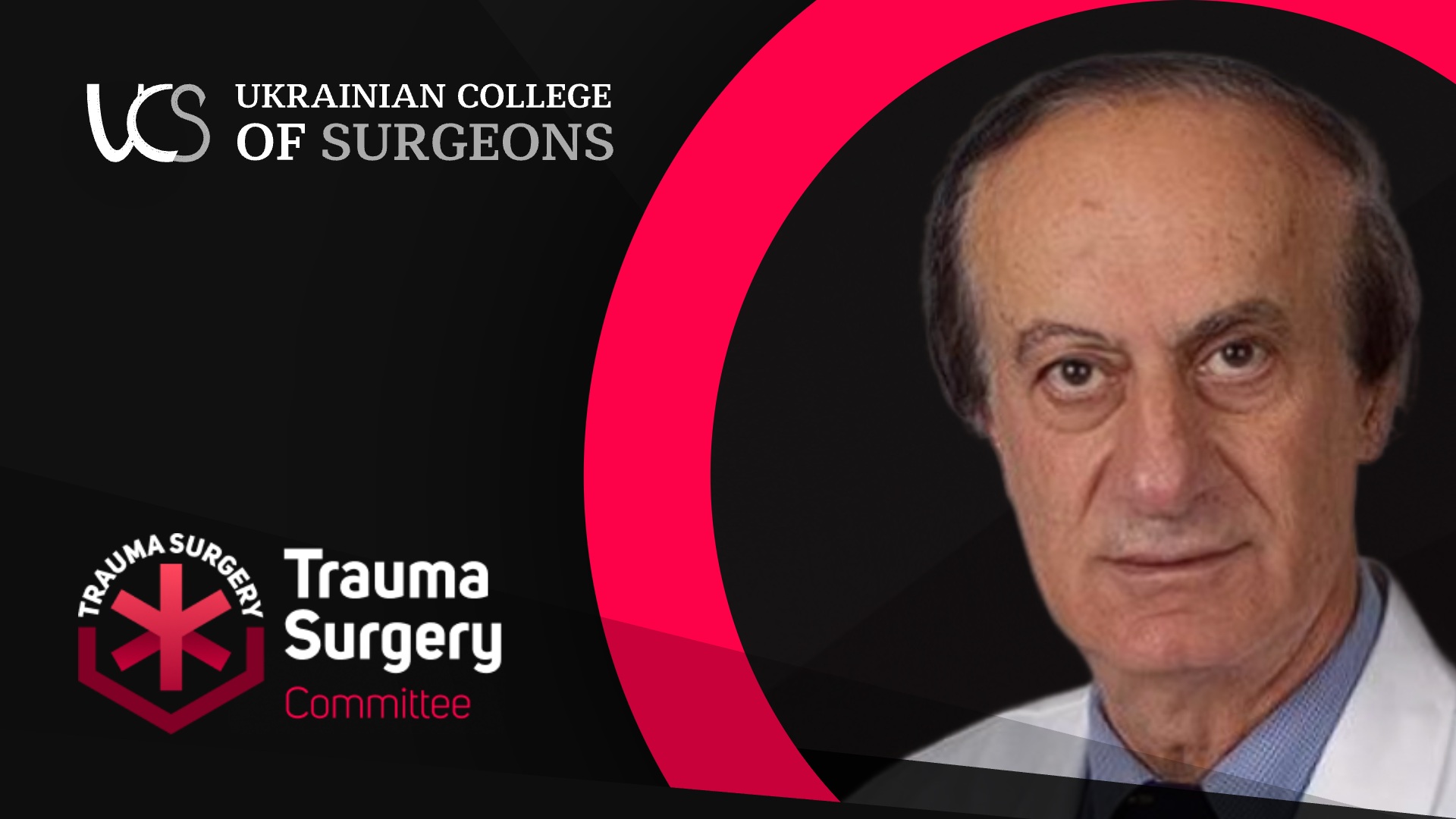 Trauma in Pregnancy: Resuscitation, Monitoring, and Operative Decisions