




Massive Burns: Early Surgery, Wound Coverage and Prevention of Post-Burn Complications
Thank you for your feedback!
Major burns are not only a skin injury. They trigger systemic inflammation, increase infectious and metabolic burden, and turn every day with remaining necrotic tissue into a clinically important factor.
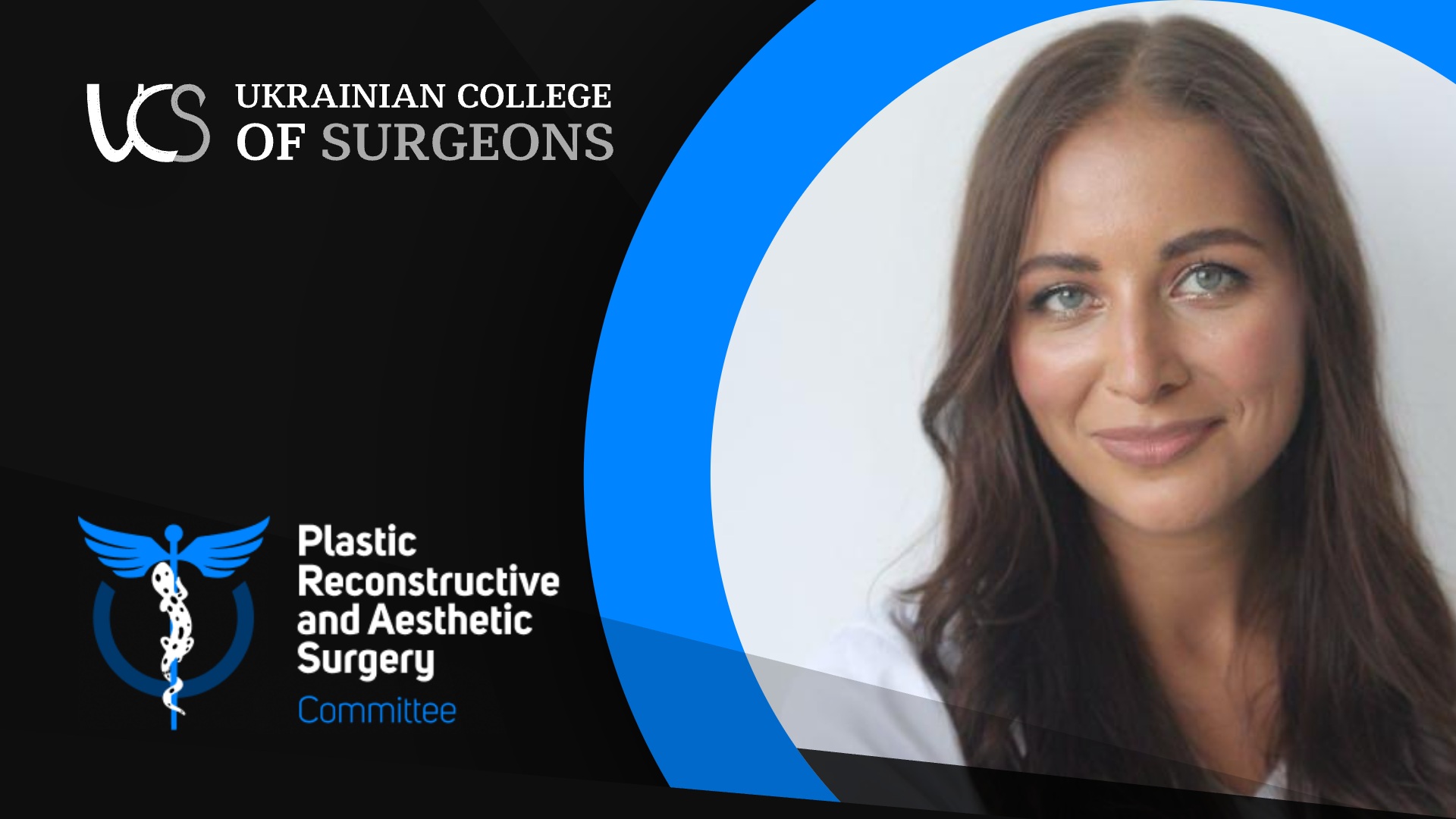
Burn and plastic surgeon Halyna Sayan discusses a surgical strategy built around early excision and rapid wound closure. The session covers staged necrectomy, autografting, graft meshing when donor skin is limited, allograft and xenograft as temporary coverage, and the role of dermal substitutes such as BTM in preparing wounds for reconstruction and reducing future contracture.
The discussion becomes especially practical in the Q&A: how to manage hematoma or infection beneath a dermal substitute, when the silicone layer is ready for removal, how donor sites are dressed, why a fresh graft is often left undisturbed for several days, and how graft choice changes in functional areas such as the face, neck, hands and joints.
The final part moves beyond wound closure to the result that matters months later: early rehabilitation, compression, silicone therapy, scar care, infection control and multidisciplinary follow-up. It is the kind of burn surgery discussion where operative technique, wound biology and long-term function are considered as one continuous treatment plan.
Burn and plastic surgeon Halyna Sayan discusses a surgical strategy built around early excision and rapid wound closure. The session covers staged necrectomy, autografting, graft meshing when donor skin is limited, allograft and xenograft as temporary coverage, and the role of dermal substitutes such as BTM in preparing wounds for reconstruction and reducing future contracture.
The discussion becomes especially practical in the Q&A: how to manage hematoma or infection beneath a dermal substitute, when the silicone layer is ready for removal, how donor sites are dressed, why a fresh graft is often left undisturbed for several days, and how graft choice changes in functional areas such as the face, neck, hands and joints.
The final part moves beyond wound closure to the result that matters months later: early rehabilitation, compression, silicone therapy, scar care, infection control and multidisciplinary follow-up. It is the kind of burn surgery discussion where operative technique, wound biology and long-term function are considered as one continuous treatment plan.
PRAS-01
Course
Burn Surgery: Acute Care, Reconstruction, and Rehabilitation
 01
1:39:09
Physical Therapy and Rehabilitation in Burn InjuriesA case-based lecture on integrating physical therapy with reconstructive surgery after severe burns and soft-tissue trauma, from early positioning and mobilization to scar management and long-term functional recovery.
01
1:39:09
Physical Therapy and Rehabilitation in Burn InjuriesA case-based lecture on integrating physical therapy with reconstructive surgery after severe burns and soft-tissue trauma, from early positioning and mobilization to scar management and long-term functional recovery.
 02
2:15:31
Burns in Conflict: From Resuscitation to ReconstructionA practical webinar on burn care in conflict settings—from depth and TBSA assessment to fluid resuscitation, escharotomy, wound coverage, grafting, BTM, and reconstruction of post-burn contractures.
02
2:15:31
Burns in Conflict: From Resuscitation to ReconstructionA practical webinar on burn care in conflict settings—from depth and TBSA assessment to fluid resuscitation, escharotomy, wound coverage, grafting, BTM, and reconstruction of post-burn contractures.
 03
1:53:55
Pediatric Burn Surgery: From Acute Wound Care to Scar ReconstructionBurn surgeon Lesia Strilka explores pediatric burn care from depth and surface-area assessment to wound coverage, skin grafting and long-term scar management. Clinical cases reveal why the decision to operate, wait or reconstruct is rarely straightforward.
03
1:53:55
Pediatric Burn Surgery: From Acute Wound Care to Scar ReconstructionBurn surgeon Lesia Strilka explores pediatric burn care from depth and surface-area assessment to wound coverage, skin grafting and long-term scar management. Clinical cases reveal why the decision to operate, wait or reconstruct is rarely straightforward.
 04
1:05:08 Now playing
Massive Burns: Early Surgery, Wound Coverage and Prevention of Post-Burn ComplicationsA practical journal club on modern surgical management of major burns: early necrectomy, skin grafting, temporary wound coverage, dermal substitutes, donor-site care and strategies to reduce contractures and hypertrophic scarring.
04
1:05:08 Now playing
Massive Burns: Early Surgery, Wound Coverage and Prevention of Post-Burn ComplicationsA practical journal club on modern surgical management of major burns: early necrectomy, skin grafting, temporary wound coverage, dermal substitutes, donor-site care and strategies to reduce contractures and hypertrophic scarring.
 05
56:39
Modern Approaches to the Treatment of Post-Burn Scar ComplicationsA practical overview of post-burn scar pathology, contractures, conservative therapy, and reconstructive options, with a strong focus on restoring function alongside appearance.
05
56:39
Modern Approaches to the Treatment of Post-Burn Scar ComplicationsA practical overview of post-burn scar pathology, contractures, conservative therapy, and reconstructive options, with a strong focus on restoring function alongside appearance.
 Massive Burns: Early Surgery, Wound Coverage and Prevention of Post-Burn Complications