


Surgical Restoration of Thumb Opposition
Thank you for your feedback!
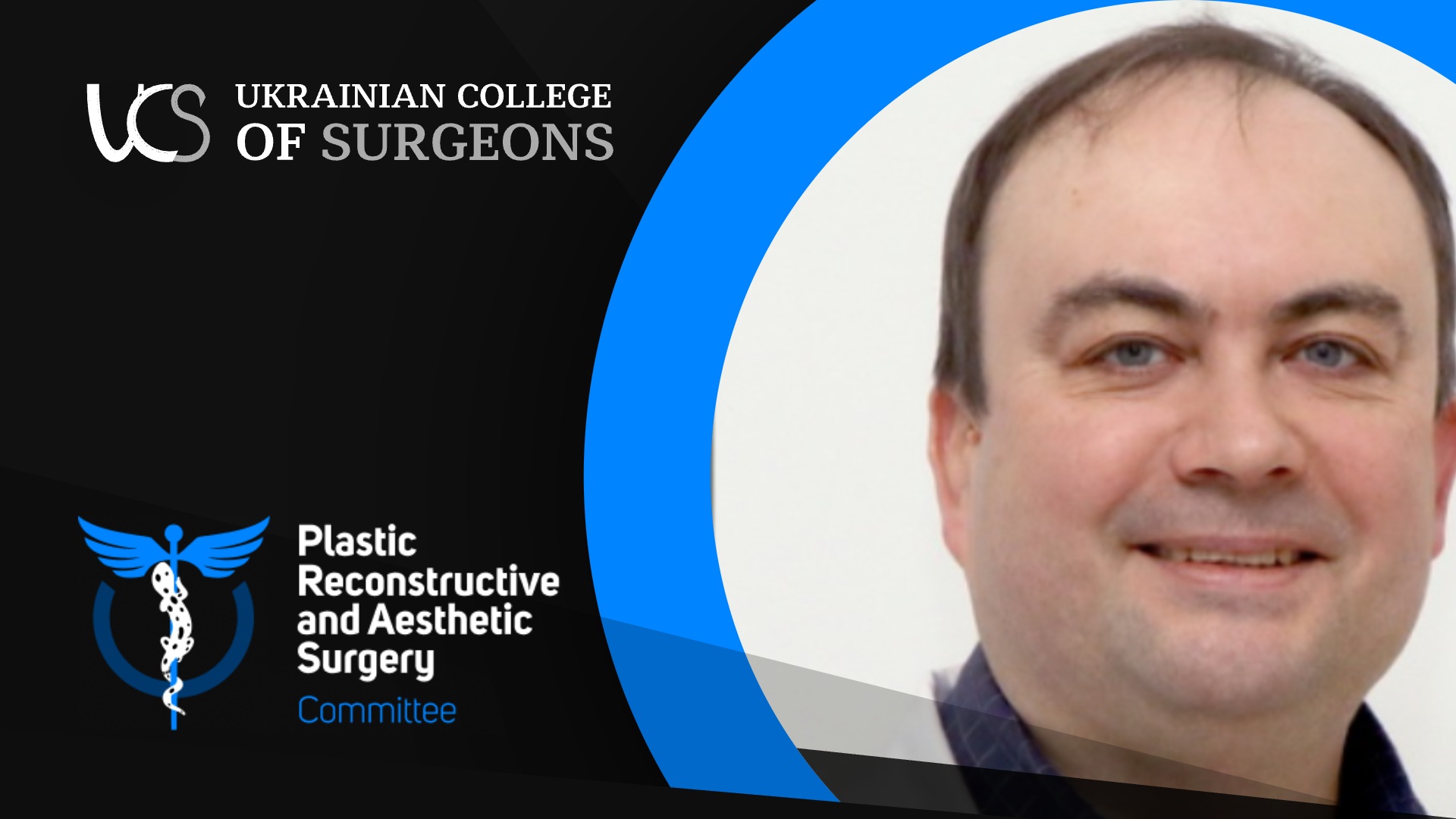
Thumb opposition is more than simple movement: it combines abduction, flexion and rotation to create a functional grasp. This lecture breaks down the anatomy and biomechanics behind opposition, explains how different patterns of nerve, tendon, joint and soft-tissue injury affect the movement, and reviews the main reconstructive options.
The core of the discussion is tendon and muscle transfer. The speaker compares established techniques such as the Thompson, Bunnell, Brand and Burkhalter variants, then introduces clinical and experimental data used to assess their strength, excursion and functional potential. Particularly useful are the practical indications for choosing a technique according to the patient's remaining motion, donor resources, joint stability and contractures.
The lecture also addresses situations where opposition should not be reconstructed, emphasizing an often overlooked part of hand surgery: choosing the operation that genuinely improves the patient's overall function rather than simply making a technically impressive reconstruction.
The core of the discussion is tendon and muscle transfer. The speaker compares established techniques such as the Thompson, Bunnell, Brand and Burkhalter variants, then introduces clinical and experimental data used to assess their strength, excursion and functional potential. Particularly useful are the practical indications for choosing a technique according to the patient's remaining motion, donor resources, joint stability and contractures.
The lecture also addresses situations where opposition should not be reconstructed, emphasizing an often overlooked part of hand surgery: choosing the operation that genuinely improves the patient's overall function rather than simply making a technically impressive reconstruction.
PRAS-04
Course
Upper Extremity and Hand Reconstruction: From Congenital Anomalies to Complex Trauma
 01
45:14
Reconstruction of Post-Traumatic Tissue Defects of the Upper ExtremityA practical lecture on staged reconstruction after severe upper-limb war trauma: soft-tissue coverage, bone defects, nerve repair, fixation timing, microsurgery, and case-based decision-making.
01
45:14
Reconstruction of Post-Traumatic Tissue Defects of the Upper ExtremityA practical lecture on staged reconstruction after severe upper-limb war trauma: soft-tissue coverage, bone defects, nerve repair, fixation timing, microsurgery, and case-based decision-making.
 02
54:36
Basic Principles of Surgical Treatment and Postoperative Management of SyndactylyA practical overview of syndactyly surgery, from timing and incision design to full-thickness skin grafting and the often underestimated challenge of postoperative immobilization in young children.
02
54:36
Basic Principles of Surgical Treatment and Postoperative Management of SyndactylyA practical overview of syndactyly surgery, from timing and incision design to full-thickness skin grafting and the often underestimated challenge of postoperative immobilization in young children.
 03
1:02:11 Now playing
Surgical Restoration of Thumb OppositionA focused lecture on restoring thumb opposition after nerve injury and complex hand trauma, with a practical comparison of tendon and muscle transfer techniques.
03
1:02:11 Now playing
Surgical Restoration of Thumb OppositionA focused lecture on restoring thumb opposition after nerve injury and complex hand trauma, with a practical comparison of tendon and muscle transfer techniques.
 04
1:03:36
Replantation Surgery: Experience, Decision-Making and Practical AlgorithmsA practical look at replantation surgery built around real clinical cases, from patient selection and correct transport of amputated segments to microsurgical reconstruction, salvage strategies and staged rehabilitation.
04
1:03:36
Replantation Surgery: Experience, Decision-Making and Practical AlgorithmsA practical look at replantation surgery built around real clinical cases, from patient selection and correct transport of amputated segments to microsurgical reconstruction, salvage strategies and staged rehabilitation.
 05
1:42:12
Microsurgical Reconstruction of the Upper Extremity in a Level 1 Trauma CenterA practical look at complex upper-extremity trauma reconstruction, from aggressive debridement and limb-salvage decisions to free flaps, nerve grafts, flow-through flaps and functional rehabilitation.
05
1:42:12
Microsurgical Reconstruction of the Upper Extremity in a Level 1 Trauma CenterA practical look at complex upper-extremity trauma reconstruction, from aggressive debridement and limb-salvage decisions to free flaps, nerve grafts, flow-through flaps and functional rehabilitation.
 06
1:40:27
The Role of Hand Therapy in Restoring Upper Limb Function After Trauma and SurgeryA practical introduction to hand therapy and the often underestimated role of edema management in protecting motion, preventing stiffness, and improving recovery after hand trauma and surgery.
06
1:40:27
The Role of Hand Therapy in Restoring Upper Limb Function After Trauma and SurgeryA practical introduction to hand therapy and the often underestimated role of edema management in protecting motion, preventing stiffness, and improving recovery after hand trauma and surgery.
 07
1:05:39
Spaghetti Wrist Injury: Repair Strategy, Microsurgery and RehabilitationA practical lecture on complex volar forearm injuries involving multiple tendons, nerves and arteries—from injury mechanism and operative sequencing to microsurgical repair, immobilization and long-term hand rehabilitation.
07
1:05:39
Spaghetti Wrist Injury: Repair Strategy, Microsurgery and RehabilitationA practical lecture on complex volar forearm injuries involving multiple tendons, nerves and arteries—from injury mechanism and operative sequencing to microsurgical repair, immobilization and long-term hand rehabilitation.
 08
1:31:56
Toe Transfer for Thumb and Finger ReconstructionAn advanced lecture by Prof. Fu-Chan Wei on toe-to-thumb and toe-to-finger transfer in complex hand reconstruction, including indications, surgical planning, technique selection, functional outcomes, donor-site considerations, and rehabilitation.
08
1:31:56
Toe Transfer for Thumb and Finger ReconstructionAn advanced lecture by Prof. Fu-Chan Wei on toe-to-thumb and toe-to-finger transfer in complex hand reconstruction, including indications, surgical planning, technique selection, functional outcomes, donor-site considerations, and rehabilitation.
 09
1:32:17
Management of Gunshot Injuries to Peripheral NervesAn evidence-informed lecture on diagnosing and reconstructing gunshot peripheral nerve injuries in polystructural limb trauma. Andrii Vysak combines a treatment algorithm, clinical cases, and practical decisions on timing, ultrasound, EMG, nerve grafting, and tendon transfers.
09
1:32:17
Management of Gunshot Injuries to Peripheral NervesAn evidence-informed lecture on diagnosing and reconstructing gunshot peripheral nerve injuries in polystructural limb trauma. Andrii Vysak combines a treatment algorithm, clinical cases, and practical decisions on timing, ultrasound, EMG, nerve grafting, and tendon transfers.
 Surgical Restoration of Thumb Opposition