



Negative Pressure Wound Therapy in Thoracoabdominal Trauma
Thank you for your feedback!
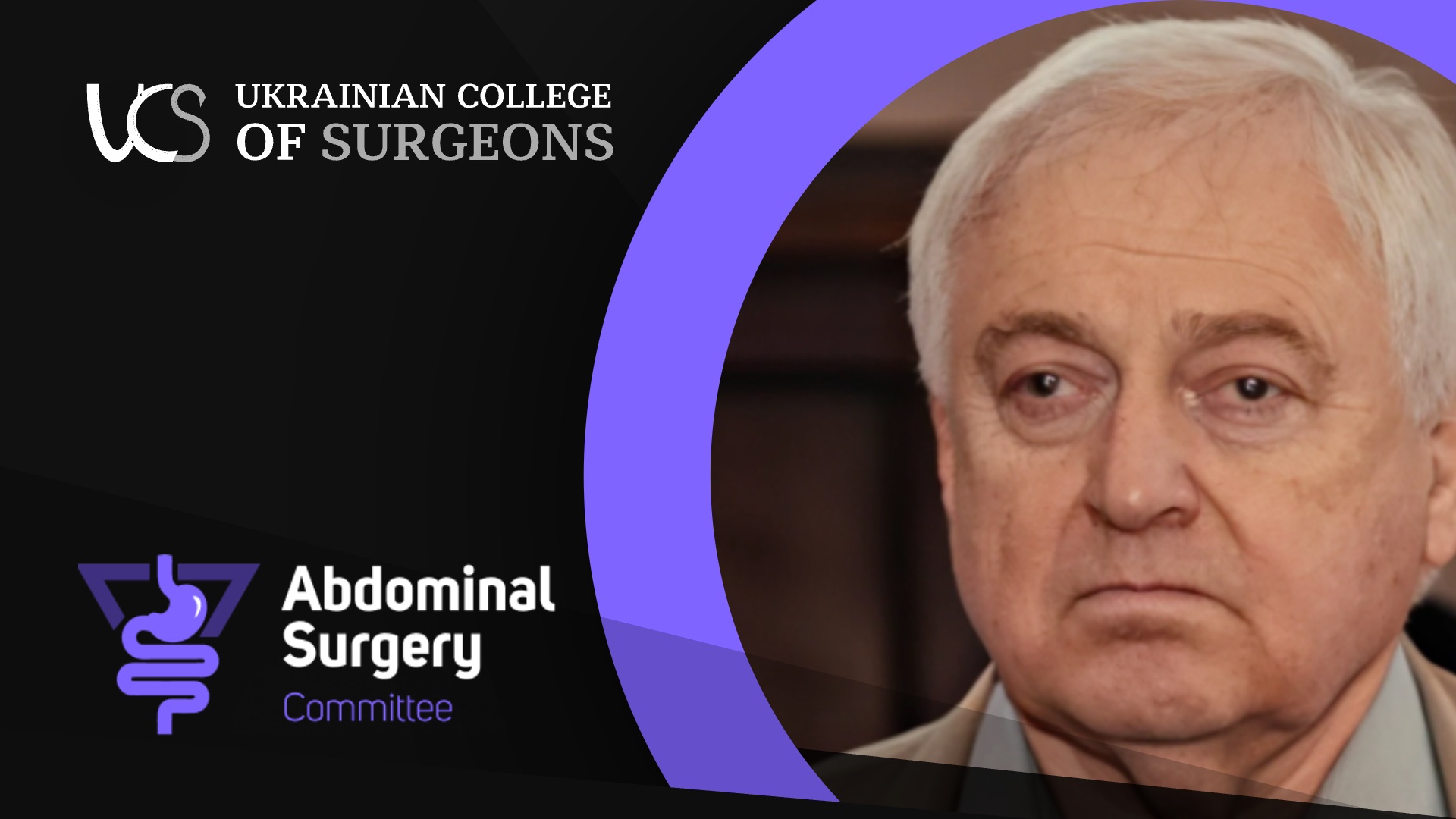
This educational session focuses on the use of negative pressure wound therapy in difficult trauma cases, especially when standard wound care is not enough. The lecture compares continuous, intermittent, and cyclic VAC modes, explains practical problems with loss of negative pressure and dressing failure, and discusses irrigation, oxygen-enriched, and combined VAC modifications.
A major part of the video is built around clinical observations from thoracic and abdominal trauma care. The speaker reviews cases involving chest wall defects, evolving external bronchopleural fistula, empyema, pleural drainage, bronchial obturators or valves, and the role of vacuum therapy when full sealing is technically difficult.
The abdominal section covers open abdomen management, peritonitis, phlegmon of the anterior abdominal wall, staged sanitation, irrigation abdominal VAC therapy, Hartmann-related complications, enterostomy management, delayed reconstruction, and the transition from damage control surgery to planned reconstructive treatment.
For surgical trainees, the value of this video is in the practical reasoning: when to start VAC therapy, why timing matters, what technical details can change the outcome, and how experienced surgeons adapt available tools in complex wartime trauma settings.
A major part of the video is built around clinical observations from thoracic and abdominal trauma care. The speaker reviews cases involving chest wall defects, evolving external bronchopleural fistula, empyema, pleural drainage, bronchial obturators or valves, and the role of vacuum therapy when full sealing is technically difficult.
The abdominal section covers open abdomen management, peritonitis, phlegmon of the anterior abdominal wall, staged sanitation, irrigation abdominal VAC therapy, Hartmann-related complications, enterostomy management, delayed reconstruction, and the transition from damage control surgery to planned reconstructive treatment.
For surgical trainees, the value of this video is in the practical reasoning: when to start VAC therapy, why timing matters, what technical details can change the outcome, and how experienced surgeons adapt available tools in complex wartime trauma settings.
ABD-01
Course
Abdominal Trauma: CT, Splenic Injury, and Negative Pressure Wound Therapy
 01
1:10:21
Splenic Trauma: Preservation, Embolization and Life After SplenectomyA practical trauma lecture on modern splenic injury management: when to operate, when observation or embolization can preserve the spleen, and how vaccination and long-term immune risk change the decisions after splenectomy.
01
1:10:21
Splenic Trauma: Preservation, Embolization and Life After SplenectomyA practical trauma lecture on modern splenic injury management: when to operate, when observation or embolization can preserve the spleen, and how vaccination and long-term immune risk change the decisions after splenectomy.
 02
1:48:26
Non-Contrast Abdominal CT for Surgeons: A Practical Reading AlgorithmA practical guide to reading non-contrast abdominal CT when time is limited: choosing the right window, spotting surgical red flags, and deciding whether a patient needs intervention or observation.
02
1:48:26
Non-Contrast Abdominal CT for Surgeons: A Practical Reading AlgorithmA practical guide to reading non-contrast abdominal CT when time is limited: choosing the right window, spotting surgical red flags, and deciding whether a patient needs intervention or observation.
 03
1:26:49 Now playing
Negative Pressure Wound Therapy in Thoracoabdominal TraumaA practical lecture on negative pressure wound therapy in complex thoracic and abdominal trauma, with clinical observations from military surgery, discussion of VAC modes, irrigation systems, bronchopleural fistulas, empyema, peritonitis, and staged reconstruction.
03
1:26:49 Now playing
Negative Pressure Wound Therapy in Thoracoabdominal TraumaA practical lecture on negative pressure wound therapy in complex thoracic and abdominal trauma, with clinical observations from military surgery, discussion of VAC modes, irrigation systems, bronchopleural fistulas, empyema, peritonitis, and staged reconstruction.
 Negative Pressure Wound Therapy in Thoracoabdominal Trauma